Designing Resilient Landscapes: Weather-Proofing Your Outdoor Spaces May 13, 2026
The first step in designing a resilient landscape is understanding the specific climate vulnerabilities of your area. Whether you face severe winters, scorching summers, or heavy rainfall, knowing what to expect can guide your landscaping decisions. Start by choosing plants and materials that are native or well-suited to your local climate. Native plants are inherently more resilient because they have adapted over time to the regional weather conditions. Additionally, these plants often require less water and maintenance, making them an eco-friendly option.
One essential aspect of weather-proofing your landscape is ensuring proper drainage. Poor drainage can lead to waterlogging and soil erosion, which can damage plant health and jeopardize the integrity of your outdoor structures. Zammito Landscape Construction recommends integrating solutions such as French drains, swales, or dry creek beds to efficiently redirect excess water away from critical areas in the yard.
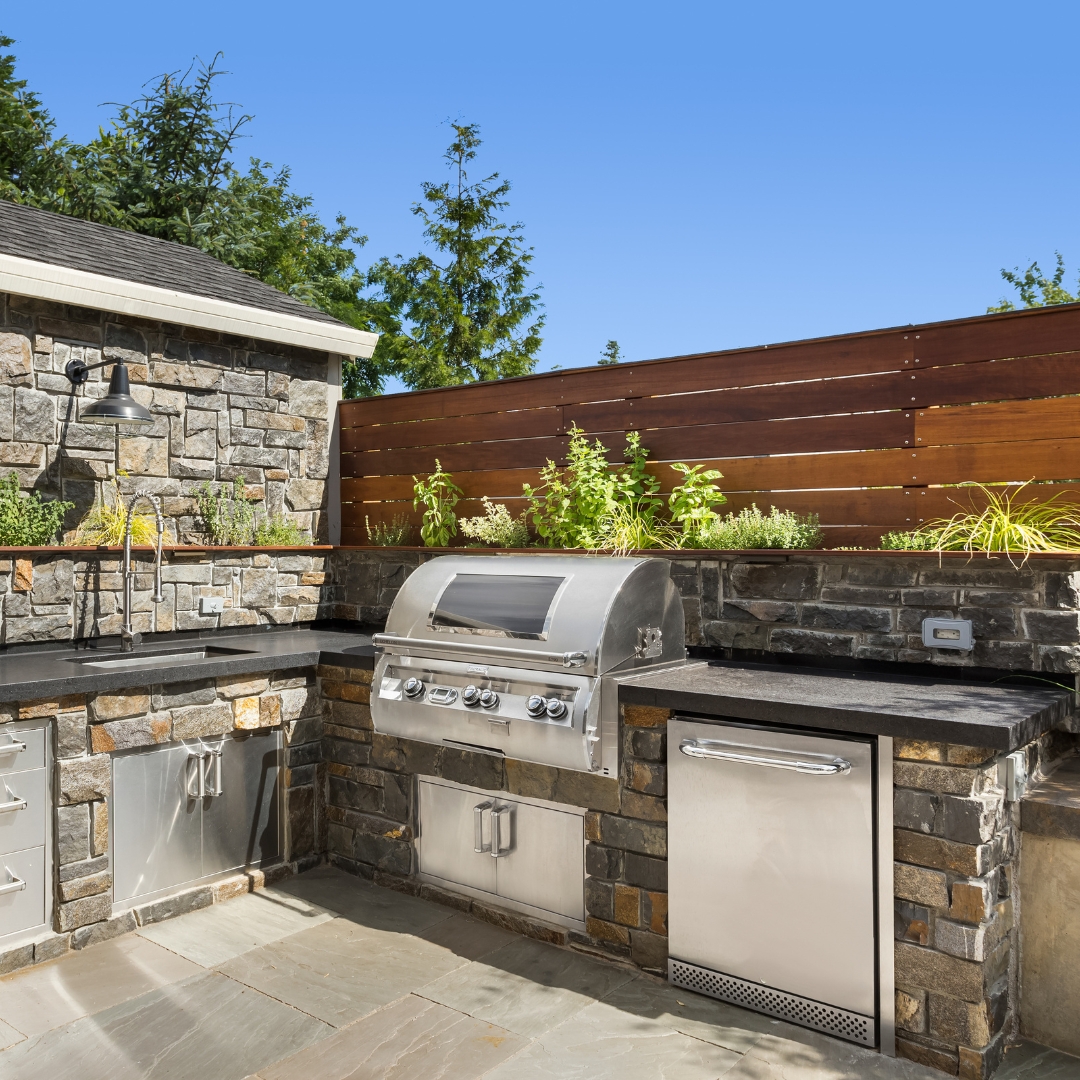
The selection of hardscape materials can also impact the resilience of your outdoor space. Opt for materials that can withstand local weather conditions—consider stone, concrete, or permeable pavers, which are durable and provide excellent drainage. Installing retaining walls not only adds visual interest but can also help prevent erosion on sloped properties. Furthermore, these walls can double as seating areas, seamlessly blending functionality with aesthetics.
Mulching is another practice that enhances resilience. A good layer of mulch can protect plant roots from extreme temperatures, retain soil moisture during dry periods, and suppress weed growth. Organic mulches like wood chips or shredded bark are particularly beneficial, as they enrich the soil with nutrients as they decompose.
Don't overlook the importance of strategic planting. Windbreaks are an excellent way to shield your garden from harsh winds while providing privacy and beauty. Planting deciduous trees on the south and west sides of your property can offer shade in the summer while allowing sunlight to warm your home in the winter. This natural cooling and heating strategy not only benefits your garden but can also reduce energy costs for your home.
Maintenance plays a significant role in ensuring your landscape remains durable. Regular pruning, soil aeration, and plant health checks are vital for long-term success. Installing an efficient irrigation system, like a drip irrigation network, can ensure consistent moisture levels without overwatering, which is essential during dry spells.
In conclusion, designing a resilient landscape is about creating a space that is as functional and sustainable as it is beautiful. By choosing appropriate plants and materials, integrating effective drainage solutions, and maintaining your outdoor spaces, you can enjoy your garden throughout the year, no matter what the weather brings. At Zammito Landscape Construction, we are committed to helping you build outdoor environments that are tailored to your needs and resilient enough to face nature’s challenges. Reach out to us to start transforming your landscape into a robust, weather-proof haven today.
/filters:no_upscale()/filters:format(webp)/media/8643de6e-5281-4bd1-a816-917d59c99a7c.jpeg)